
Understanding Goldfish Behavior: A Comprehensive Guide
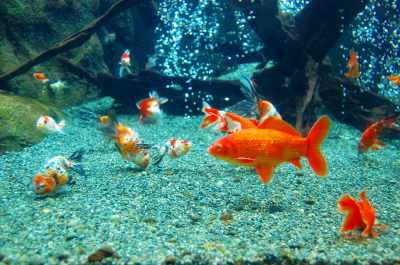
Table of Contents:
- Introduction
- Natural Habitat and Adaptation
- Social Behavior
- Feeding Habits
- Swimming Patterns
- Sleep and Rest
- Breeding Behavior
- Intelligence and Learning
- Stress Responses
- Lifespan and Growth
- Conclusion
Introduction
Goldfish, with their vibrant colors and graceful movements, have been captivating humans for centuries. These popular pets, scientifically known as Carassius auratus, exhibit a range of fascinating behaviors that reflect their evolutionary history and adaptation to various environments. Understanding these behaviors can help us provide better care and appreciate these aquatic companions more fully.
Natural Habitat and Adaptation
Originally from East Asia, goldfish are descendants of wild carp. Their natural habitats include slow-moving rivers, ponds, and lakes. This background influences their behavior in several ways:
- Temperature Tolerance: Goldfish can survive in a wide range of temperatures, from near freezing to about 30°C (86°F).
- Oxygen Requirements: They can tolerate lower oxygen levels than many other fish, often seen gulping air at the surface when oxygen is low.
- Substrate Interaction: Goldfish naturally sift through substrate for food, which is why they're often seen "digging" in aquarium gravel.
Social Behavior
Contrary to popular belief, goldfish are social creatures:
- Schooling: In the wild, they often form loose schools for protection and social interaction.
- Recognition: They can recognize and remember other individual fish and even human faces.
- Hierarchy: In groups, goldfish may establish a loose social hierarchy, though it's less rigid than in some other fish species.
Feeding Habits
Goldfish are opportunistic omnivores, which is reflected in their feeding behavior:
- Foraging: They spend a significant portion of their time searching for food.
- Taste Preferences: Goldfish have taste buds not just in their mouths, but also on their lips and gill rakers.
- Feeding Frenzy: When food is introduced, goldfish often exhibit excited behavior, darting quickly to consume as much as possible.
- Overfeeding Risk: Their constant foraging behavior can lead to overfeeding in captivity, as they will often eat more than they need if food is available.
Swimming Patterns
Goldfish swimming patterns can indicate their health and mood:
- Normal Swimming: Smooth, consistent movements throughout the tank.
- Erratic Swimming: Rapid, darting movements might indicate stress or poor water quality.
- Surface Swimming: Spending excessive time at the surface could indicate low oxygen levels or swim bladder issues.
- Bottom Sitting: While some bottom-sitting is normal, excessive time spent at the tank bottom might indicate illness or stress.
Sleep and Rest
While goldfish don't sleep in the same way humans do, they do rest:
- Reduced Activity: During night hours, goldfish typically become less active and may hover in one spot.
- Light Sensitivity: They're diurnal, meaning they're more active during daylight hours.
- Color Changes: Some goldfish may appear slightly paler when resting.
Breeding Behavior
During breeding season, goldfish behavior changes noticeably:
- Chasing: Males will chase females around the tank or pond.
- Spawning Dance: Males may nudge the female's abdomen to encourage egg release.
- Egg Scattering: Females scatter eggs over plants or substrate, which males then fertilize.
- Post-Spawning Behavior: Adults may eat their own eggs, a behavior stemming from their instinct to consume any available food in the wild.
Intelligence and Learning
Goldfish are more intelligent than they're often given credit for:
- Memory: They can remember things for several months, contrary to the "three-second memory" myth.
- Problem-Solving: Goldfish can learn to navigate mazes and distinguish between shapes and colors.
- Pavlovian Response: They can associate certain stimuli (like a specific sound) with feeding time.
- Tool Use: Some studies suggest goldfish can use basic tools to obtain food.
Stress Responses
Goldfish show stress through various behaviors:
- Hiding: Stressed fish may hide more frequently behind plants or decorations.
- Color Changes: Stress can cause goldfish to lose their vibrant colors temporarily.
- Clamped Fins: Holding fins close to the body often indicates discomfort or illness.
- Gasping: Rapid gill movements or gasping at the surface can indicate poor water quality or high stress levels.
Lifespan and Growth
Goldfish behavior changes as they age:
- Rapid Growth: Young goldfish grow quickly, which is reflected in their high activity levels and frequent feeding.
- Slowing with Age: As they mature, their growth rate and activity levels generally decrease.
- Longevity: With proper care, goldfish can live 10-15 years in captivity, with some reportedly living even longer.
Conclusion
Understanding goldfish behavior is key to providing them with the best possible care. Their actions, from social interactions to feeding habits, reflect both their wild ancestry and their adaptability to captive environments. By observing and understanding these behaviors, we can create more suitable habitats, provide appropriate nutrition, and even form stronger bonds with these fascinating aquatic pets.
Remember that while these behaviors are typical, individual goldfish may vary. Factors such as specific breed, environment, and individual personality can all influence a goldfish's behavior. Regular observation of your goldfish will help you understand their unique patterns and needs, ensuring they live happy, healthy lives in your care.
As we continue to study these remarkable creatures, we're constantly discovering new aspects of their behavior and intelligence. The humble goldfish, far from being a simple creature, is a complex animal with a rich repertoire of behaviors that continue to surprise and delight both casual owners and scientific researchers alike.