
The Diverse World of Goldfish: A Comprehensive Guide to Goldfish Types
Table of Contents:
- Introduction
- Common Goldfish
- Fancy Goldfish Types
- Rare and Exotic Goldfish Breeds
- Choosing the Right Goldfish for Your Aquarium
- Conclusion
Introduction
Goldfish, scientifically known as Carassius auratus, have been captivating aquarium enthusiasts for centuries. Originally domesticated in China over a thousand years ago, these fish have since been selectively bred into a wide array of varieties, each with its unique characteristics and charm. This article will explore the various types of goldfish, from the common varieties to the more exotic breeds.
Common Goldfish
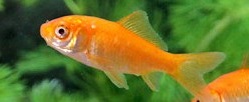
The Common Goldfish is the variety most people think of when they hear the word "goldfish." These fish closely resemble their wild carp ancestors and are characterized by:
- A streamlined, elongated body
- Single tail fin
- Various colors including orange, red, yellow, white, black, or combinations thereof
- Hardy nature, suitable for both pond and aquarium life
- Potential to grow quite large, up to 12 inches or more in proper conditions
A close relative of the Common Goldfish is the Comet Goldfish, which is similar in body shape but has a longer, more flowing tail fin.
Fancy Goldfish Types
Fancy goldfish are the result of selective breeding to achieve specific traits. They can be broadly categorized into single-tailed and double-tailed varieties.
3.1 Single-Tailed Varieties
Shubunkin
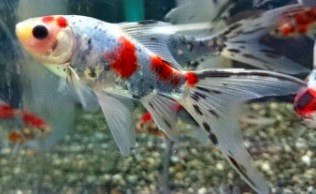
- Calico coloration (mix of orange, white, black, red, and blue)
- Similar body shape to Common Goldfish
- Two sub-varieties: London (short tail) and Bristol (long tail)
Wakin
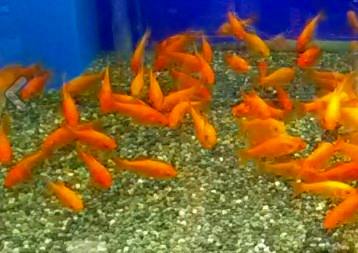
- Slim body like the Common Goldfish
- Double tail that's not as exaggerated as other fancy varieties
- Often red and white in color
3.2 Double-Tailed Varieties
Fantail

- Round, egg-shaped body
- Double tail that's not as long as some other fancy varieties
- Often considered a good "starter" fancy goldfish
Ryukin
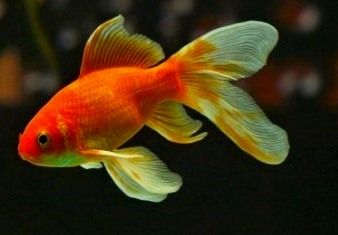
- Characteristic high back or hump behind the head
- Deep, round body
- Long, flowing double tail
Oranda
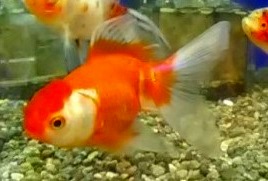
- Distinguished by the fleshy growth on its head called a "wen"
- Round body similar to Fantail
- Can come in a variety of colors and patterns
Black Moor
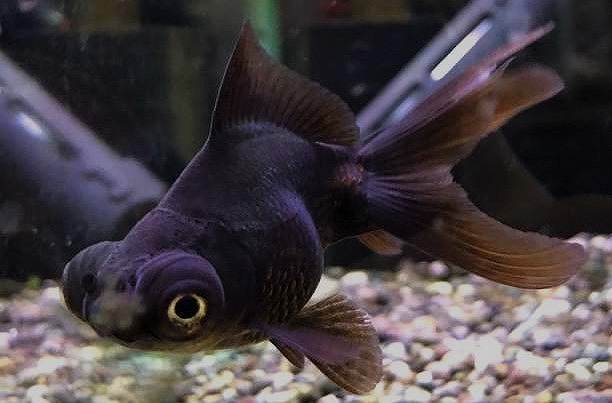
- Characterized by its velvety black color and protruding eyes
- Round body shape
- Telescopic eyes that give it a unique appearance
Telescope Eye
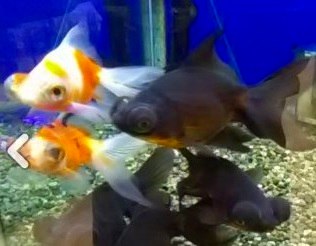
- Similar to Black Moor but can come in various colors
- Eyes protrude from the sides of the head
- Also known as "Dragon Eye" goldfish
Bubble Eye
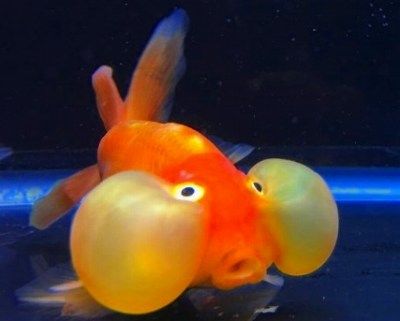
- Fluid-filled sacs under the eyes
- No dorsal fin
- Requires special care due to its delicate nature
Celestial Eye
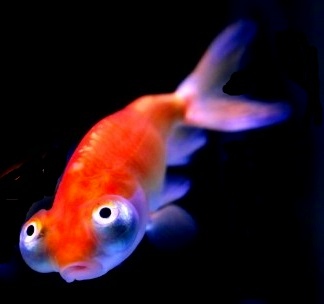
- Eyes pointed upward towards the sky
- No dorsal fin
- Requires specialized care due to its unique eye positioning
Ranchu
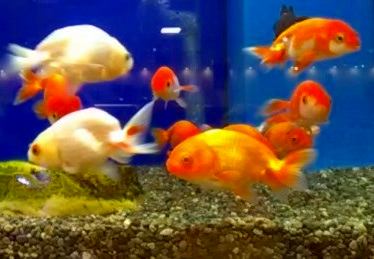
- Also known as "Buffalo-Head Goldfish"
- Round, bulbous body with no dorsal fin
- Characterized by a curved back and a head growth similar to the Oranda
Lionhead
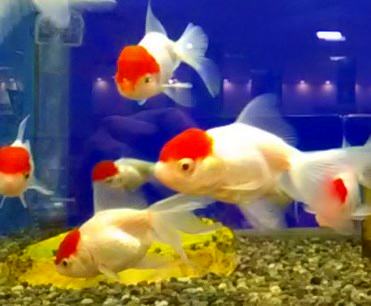
- Similar to Ranchu but with a more prominent head growth
- No dorsal fin
- Often red, orange, or red-and-white in color
Pearlscale

- Distinctive scales that are raised and spherical, giving a "pearly" appearance
- Round, almost spherical body shape
- Can come in various colors and patterns
Pompom
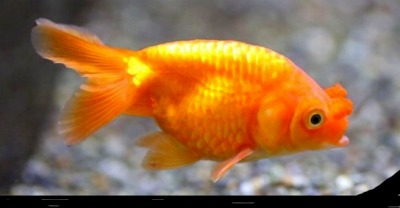
- Named for the fluffy "pompom" growths on its nose
- Can have either a single or double tail
- Body shape similar to the Fantail
Rare and Exotic Goldfish Breeds
While the above-mentioned types are relatively common in the aquarium trade, there are several rarer breeds that are sought after by enthusiasts:
Tosakin
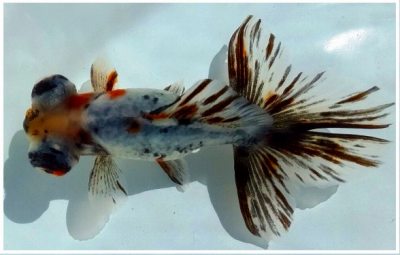
- Characterized by its unique, spreaded tail that's parallel to the water surface
- Viewed best from above
- Originated in Kochi Prefecture, Japan
Jikin
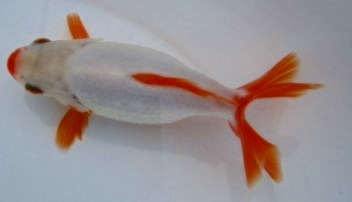
- Also known as "Peacock Tail" goldfish
- Has a distinctive four-lobed tail when viewed from behind
- Usually red and white in color
Tamasaba
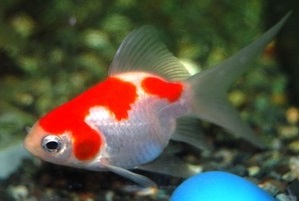
- Single-tailed variety with a body shape similar to Ryukin
- High back and relatively long, flowing tail
- Name means "egg-mackerel" in Japanese due to its shape
Izumo Nankin
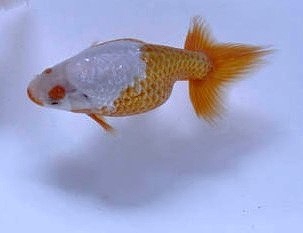
- Rare Japanese breed
- Characterized by its long, flowing fins and tail
- Often has a red-and-white color pattern
Choosing the Right Goldfish for Your Aquarium
When selecting a goldfish, consider the following factors:
Tank Size
- Single-tailed varieties like Common and Comet Goldfish need more space and are often better suited for ponds
- Fancy varieties can generally be kept in smaller aquariums but still require adequate space
Care Requirements
- Some varieties, like Bubble Eye and Celestial Eye, require specialized care due to their unique features
- Consider your experience level and the time you can dedicate to care
Compatibility
- Fast swimmers like Common Goldfish may outcompete slower fancy varieties for food
- Some varieties with exaggerated features may have trouble competing with more streamlined types
Water Conditions
- All goldfish prefer cool water, but some fancy varieties are more sensitive to water quality
Lifespan
- With proper care, many goldfish can live for 10-15 years or more
- Consider the long-term commitment when choosing a goldfish
Conclusion
The world of goldfish is diverse and fascinating, with varieties to suit every taste and level of experience. From the hardy Common Goldfish to the exotic Tosakin, each type has its own unique charm and care requirements. Whether you're drawn to the classic orange fish of childhood memories or intrigued by the more unusual breeds, there's a goldfish variety that's perfect for you.
Remember that regardless of the type you choose, all goldfish require proper care, including adequate space, good water quality, and appropriate nutrition. With the right care, these beautiful fish can bring joy and color to your life for many years.
As you delve deeper into the world of goldfish, you'll discover that each variety has its own enthusiasts and even dedicated breeding programs. Some types, particularly the rarer Japanese varieties, are the subject of competitive exhibitions where they are judged on their conformity to ideal standards for their breed.
The diversity of goldfish types is a testament to the long history of goldfish keeping and the dedication of breeders over many centuries. From the imperial ponds of ancient China to modern aquariums around the world, goldfish continue to captivate us with their beauty, variety, and personality. Whether you're a seasoned aquarist or a beginner just starting out, the world of goldfish offers endless opportunities for learning, appreciation, and enjoyment.