Nutrition for Building Muscles
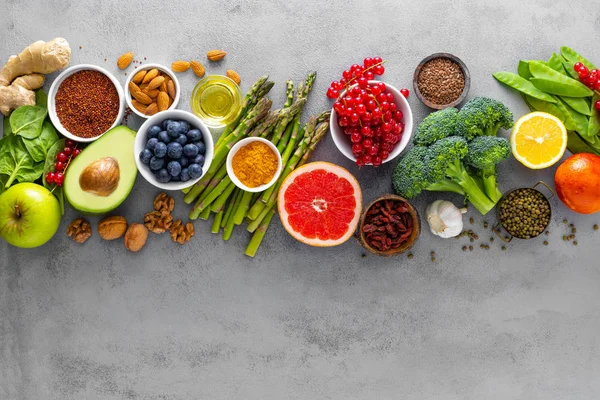
To effectively build muscle, your body requires proper nutrition to fuel workouts, repair muscle tissue, and promote growth. Here are key nutritional components to focus on:
1. Protein
Proteins are the building blocks of muscle tissue. Consuming enough protein is crucial for muscle repair and growth.
- Sources: Lean meats, poultry, fish, eggs, dairy products, legumes, and plant-based proteins such as tofu and quinoa.
- Recommended Intake: Aim for 1.6 to 2.2 grams of protein per kilogram of body weight per day.
2. Carbohydrates
Carbohydrates provide the energy needed for intense workouts and recovery.
- Sources: Whole grains, fruits, vegetables, and legumes.
- Recommended Intake: Consume 3 to 5 grams of carbohydrates per kilogram of body weight per day, depending on your activity level.
3. Fats
Healthy fats are essential for hormone production, including testosterone, which plays a role in muscle growth.
- Sources: Avocados, nuts, seeds, olive oil, and fatty fish.
- Recommended Intake: Aim for 0.5 to 1 gram of fat per kilogram of body weight per day.
4. Hydration
Staying hydrated is critical for overall health and performance. Water is essential for digestion, nutrient absorption, and muscle recovery.
- Drink at least 3 liters of water per day, and more if you have intense training sessions.
5. Micronutrients
Vitamins and minerals play a vital role in muscle function and recovery.
- Key Micronutrients: Calcium, Vitamin D, Magnesium, and Zinc.
- Ensure a varied diet rich in fruits, vegetables, and whole foods to meet your micronutrient needs.
6. Meal Timing
When you eat can be just as important as what you eat. Proper meal timing can enhance muscle recovery and growth.
- Pre-Workout: Consume a balanced meal of protein and carbohydrates about 2-3 hours before your workout.
- Post-Workout: Eat a meal or snack rich in protein and carbohydrates within 30-60 minutes after exercising to optimize recovery.
7. Supplements
While whole foods should be your primary source of nutrition, supplements can help fill gaps in your diet.
- Common Supplements: Protein powders, creatine, branched-chain amino acids (BCAAs), and multivitamins.
- Consult with a healthcare provider before starting any new supplements.
Conclusion
Building muscle requires a combination of proper nutrition, consistent training, and adequate rest. Focus on a balanced diet rich in protein, carbohydrates, and healthy fats, stay hydrated, and pay attention to meal timing to support your muscle-building goals.