chess pieces
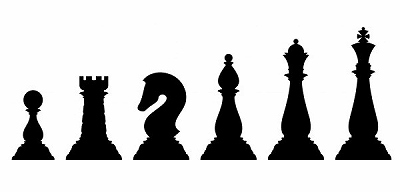
Chess Pieces
♔ King
Movement: Can move one square in any direction: vertically, horizontally, or diagonally.
Notes: The game ends if the king is checkmated.
♕ Queen
Movement: Can move any number of squares along a row, column, or diagonal.
Value: 9 points
Notes: The most powerful piece.
♖ Rook
Movement: Can move any number of squares along a row or column.
Value: 5 points
♗ Bishop
Movement: Can move any number of squares diagonally.
Value: 3 points
♘ Knight
Movement: Moves in an L-shape: two squares in one direction and then one square perpendicular, or vice versa.
Value: 3 points
Notes: Can jump over other pieces.
♙ Pawn
Movement: Moves forward one square but captures diagonally. Can move two squares forward on its first move.
Value: 1 point
Notes: Can be promoted to a queen, rook, bishop, or knight when it reaches the opponent's back rank.
Materials Used for Chess Pieces
Chess pieces come in various materials, each offering different aesthetics, durability, and weight. Here are some common materials used to make chess pieces:
Wood
Wood is the most traditional material for chess pieces. Different types of wood are used, including:
- Boxwood: Commonly used for lighter pieces like the white side. It has a smooth texture and is relatively inexpensive.
- Ebony: A dark, dense wood often used for the black pieces. It is known for its beautiful finish and high cost.
- Rosewood: Known for its rich color and grain, rosewood is a popular choice for both sides.
- Sheesham: Also known as Indian rosewood, it is a durable and less expensive alternative to traditional rosewood.
Plastic
Plastic chess pieces are affordable and durable, making them popular for casual play and tournaments. Types of plastic include:
- ABS Plastic: Commonly used for its durability and lightweight properties.
- Polystyrene: Used for inexpensive sets, though less durable than ABS.
Metal
Metal chess pieces offer a distinct look and feel. They are heavier and often used in decorative sets. Common metals include:
- Brass: Known for its golden color and substantial weight.
- Stainless Steel: Durable and resistant to tarnish, with a sleek, modern look.
- Pewter: Offers a classic, antique appearance.
Composite Materials
Composite materials combine different substances to create pieces that balance durability and aesthetics. Examples include:
- Resin: Can be molded into detailed shapes and painted to mimic wood or metal.
- Marble Composite: Made from marble dust and resin, offering a stone-like appearance and feel.
Stone
Stone chess pieces are highly decorative and often used as showpieces. Common stones include:
- Marble: Known for its elegant appearance and smooth texture.
- Onyx: Offers a unique, veined look with various color options.
Conclusion
The material you choose for your chess pieces depends on your preferences for aesthetics, durability, and cost. Each material brings its own unique characteristics to the game, enhancing the overall experience.